
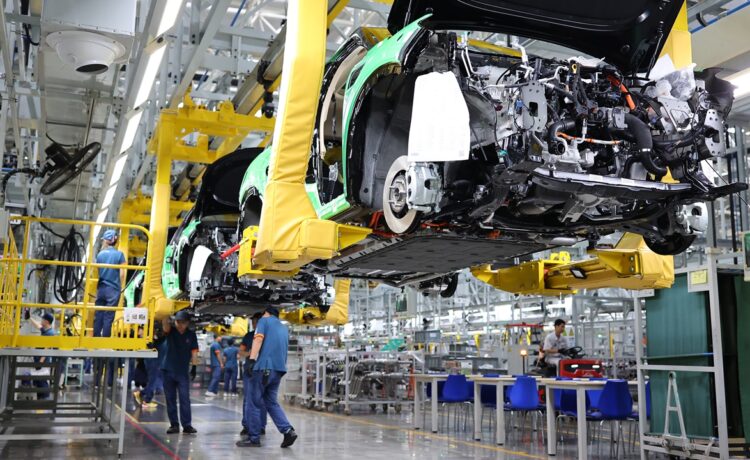
The auto industry is one of the most dynamic and influential sectors in the global economy. It not only drives technological innovation but also shapes the way people live, travel, and connect with the world. With rapid advancements in digital technologies, environmental priorities, and evolving consumer behaviour, the automotive landscape is undergoing an extraordinary transformation.
The Evolution of the Automobile
Automobiles have come a long way from the early combustion engines of the late 19th century. The industry has always been closely tied to progress, from Henry Ford’s assembly line to today’s AI-driven manufacturing systems. This evolution reflects society’s shifting needs, from mass affordability and safety to efficiency and sustainability.
Milestones in automotive history
-
Mass production: The early 20th century revolutionised affordability.
-
Safety innovations: Seatbelts, airbags, and crash testing improved trust in cars.
-
Digitalisation: Navigation systems, in-car entertainment, and digital dashboards changed user experience.
-
Sustainability focus: Hybrid and electric vehicles are now centre stage.
The Rise of Electric and Hybrid Vehicles
One of the most significant transformations is the move towards electric vehicles (EVs) and hybrids. Governments are setting ambitious targets for phasing out petrol and diesel engines, while manufacturers are investing heavily in EV technology.
Why EVs are gaining popularity
-
Environmental concerns: Reduced emissions and reliance on fossil fuels.
-
Government incentives: Tax benefits, subsidies, and green policies encourage adoption.
-
Lower running costs: Electricity is cheaper than petrol, and EVs have fewer moving parts, lowering maintenance.
-
Technological advances: Longer battery ranges and faster charging times are making EVs more practical.
Autonomous Driving: From Science Fiction to Reality
Self-driving cars are no longer just a futuristic concept. Companies are testing and rolling out vehicles equipped with autonomous driving technology, powered by sensors, AI, and machine learning.
Key benefits of autonomous vehicles
-
Safety improvements: AI can reduce human errors, which cause most accidents.
-
Accessibility: Helps people who cannot drive due to age or disability.
-
Efficiency: Autonomous fleets can reduce congestion and optimise fuel consumption.
Despite these advantages, regulatory frameworks and ethical concerns remain challenges to mass adoption.
Connectivity and Smart Vehicles
Modern cars are no longer standalone machines. They are connected devices integrated into wider digital ecosystems. Features such as real-time traffic updates, predictive maintenance, and in-car voice assistants are redefining the driving experience.
Smart vehicle features include
-
Over-the-air software updates
-
Remote diagnostics and predictive maintenance
-
Integration with smartphones and smart homes
-
Enhanced navigation with live traffic and weather alerts
Sustainable Manufacturing in the Auto Industry
Sustainability is no longer limited to tailpipe emissions. Manufacturers are also focusing on sustainable production methods. From recyclable materials to energy-efficient factories, the shift is industry-wide.
Practices shaping greener auto manufacturing
-
Using lightweight and recyclable materials such as aluminium and carbon fibre.
-
Implementing renewable energy in production facilities.
-
Recycling water and reducing waste in factories.
-
Developing closed-loop supply chains.
Challenges Facing the Auto Industry
The auto sector’s transformation is exciting but not without obstacles. Key challenges include:
-
High costs of innovation: Developing EVs, batteries, and autonomous tech requires massive investment.
-
Infrastructure limitations: Charging networks are still insufficient in many regions.
-
Regulatory pressures: Strict emissions rules vary across countries, complicating compliance.
-
Consumer hesitancy: Concerns about EV range, safety of self-driving, and high purchase prices slow adoption.
Opportunities for Growth and Innovation
While challenges exist, opportunities are even greater. The next decade will see the auto industry expanding into new markets and technologies.
-
Growth in mobility services: Car-sharing, ride-hailing, and subscription models.
-
Urban solutions: Vehicles designed for smart cities with limited emissions zones.
-
Innovation in batteries: Solid-state batteries promise faster charging and higher energy density.
-
Partnerships and collaboration: Tech companies and automakers working together to accelerate innovation.
The Role of Artificial Intelligence in the Auto Sector
AI is transforming everything from production lines to driving itself. Manufacturers use AI for:
-
Predictive maintenance: Analysing vehicle data to forecast issues before they occur.
-
Design optimisation: AI simulations help create safer, more efficient vehicles.
-
Customer experience: Chatbots and virtual assistants improve after-sales support.
-
Autonomous systems: Machine learning helps vehicles adapt to real-world driving conditions.
The Global Impact of Auto Industry Shifts
The automotive revolution affects more than drivers. It influences energy markets, urban planning, employment trends, and supply chains. Countries leading in EV and autonomous innovation gain competitive advantages, while regions slow to adapt may struggle economically.
FAQs
Q1: Are electric cars really cheaper to run than petrol cars?
Yes, electric cars typically cost less per mile due to lower electricity rates compared to petrol. They also have fewer mechanical parts, reducing servicing expenses.
Q2: How long do EV batteries last?
Most EV batteries are designed to last between 8 and 15 years, depending on usage and climate. Many manufacturers offer long warranties covering battery health.
Q3: Will autonomous vehicles eliminate driving jobs?
Autonomous vehicles may reduce demand for certain driving roles, such as delivery or taxi services. However, they are also expected to create new jobs in AI development, vehicle monitoring, and digital infrastructure.
Q4: What is the difference between hybrid and plug-in hybrid cars?
A hybrid car combines a petrol engine with an electric motor, with energy mainly generated through driving. A plug-in hybrid allows external charging, enabling longer journeys on electric power alone.
Q5: Do connected cars pose security risks?
Yes, as vehicles become more digital, cybersecurity becomes critical. Automakers are investing heavily in encryption, secure networks, and regular updates to protect against hacking.
Q6: What are solid-state batteries, and why are they important?
Solid-state batteries replace liquid electrolytes with solid materials, making them safer, more compact, and faster to charge. They are seen as the next big breakthrough in EV technology.
Q7: Are sustainable materials reliable for vehicle production?
Yes, materials like recycled aluminium or bio-based plastics are tested for durability and performance. They provide strength while reducing environmental impact.
