
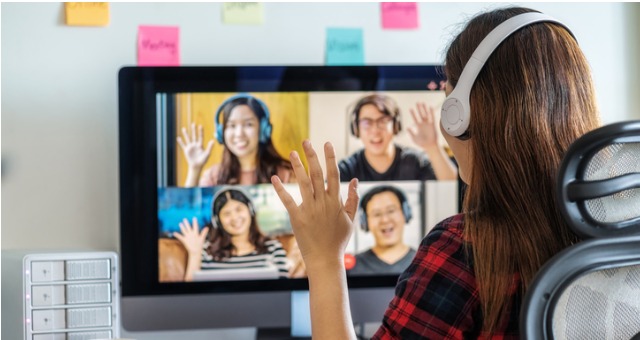
The pace of change in today’s world has fundamentally altered how people build careers, stay relevant, and grow personally. Skills that were valuable a decade ago can become outdated almost overnight. In this environment, lifelong learning is no longer a choice—it is a necessity. Individuals and organizations that fail to continuously learn risk falling behind in an increasingly knowledge-driven economy.
The Rapid Evolution of Work and Technology
Technological innovation is reshaping industries faster than ever before. Automation, artificial intelligence, and digital platforms are redefining job roles and eliminating routine tasks.
As a result:
- New roles are emerging while others disappear
- Technical and digital skills require frequent updating
- Workers must adapt to new tools, systems, and workflows
Lifelong learning allows professionals to stay adaptable instead of becoming obsolete.
Skills Have Shorter Lifespans Than Ever
In the past, a single degree could support an entire career. Today, skills have a much shorter shelf life due to constant innovation and market shifts.
Modern skill challenges include:
- Rapid changes in software and technology
- Shifting customer expectations
- Evolving industry regulations and standards
Continuous learning ensures skills remain relevant and aligned with current demands.
Lifelong Learning Enhances Career Security
Job security is no longer tied to a single employer or role. Instead, it depends on how quickly an individual can learn and apply new knowledge.
Benefits for career growth include:
- Greater employability across industries
- Increased opportunities for promotion and role transitions
- Stronger professional confidence and resilience
Those who invest in learning gain flexibility and long-term career stability.
Learning Fuels Innovation and Problem-Solving
Continuous learning exposes individuals to new ideas, perspectives, and methods. This intellectual growth strengthens creativity and critical thinking.
Organizations benefit when employees:
- Apply new knowledge to solve complex problems
- Challenge outdated processes
- Innovate products, services, and strategies
Learning-driven environments are more agile and competitive.
The Role of Digital Learning Platforms
Access to education has expanded dramatically. Online courses, virtual workshops, and self-paced learning platforms have removed traditional barriers.
Modern learning advantages include:
- Flexible schedules that fit busy lifestyles
- Affordable access to global expertise
- Personalized learning paths based on goals and skill gaps
This accessibility makes lifelong learning achievable for more people than ever before.
Lifelong Learning Supports Personal Growth
Beyond careers, learning enriches personal development. It sharpens the mind, builds confidence, and fosters curiosity.
Personal benefits include:
- Improved adaptability to change
- Stronger cognitive and problem-solving abilities
- Greater sense of purpose and fulfillment
Learning keeps individuals engaged, motivated, and mentally active throughout life.
Challenges to Embracing Lifelong Learning
Despite its importance, lifelong learning can feel overwhelming. Time constraints, lack of direction, and fear of change often stand in the way.
Overcoming these challenges requires:
- Setting realistic learning goals
- Focusing on practical, high-impact skills
- Viewing learning as a habit rather than a one-time effort
Consistency matters more than intensity.
The Future Belongs to Continuous Learners
As industries continue to evolve, lifelong learning will become a defining trait of success. Those who embrace learning as an ongoing process will be better equipped to navigate uncertainty, seize opportunities, and remain relevant in any environment.
In a world that never stops changing, learning cannot stop either.
Frequently Asked Questions (FAQs)
1. What does lifelong learning actually mean?
Lifelong learning refers to the continuous pursuit of knowledge and skills throughout life, beyond formal education.
2. Is lifelong learning only important for professionals?
No, it benefits students, professionals, entrepreneurs, retirees, and anyone seeking personal or intellectual growth.
3. How much time should be dedicated to lifelong learning?
Even small, consistent efforts—such as a few hours a week—can produce meaningful long-term results.
4. What types of skills should people focus on learning?
A mix of technical skills, soft skills, and critical thinking abilities is ideal for long-term adaptability.
5. Can lifelong learning help with career changes?
Yes, continuous learning makes it easier to transition into new roles or industries by building relevant skills.
6. How can someone stay motivated to keep learning?
Setting clear goals, tracking progress, and applying new knowledge in real life helps maintain motivation.
7. Is lifelong learning expensive?
Not necessarily. Many high-quality learning resources are affordable or free, especially through digital platforms.
