
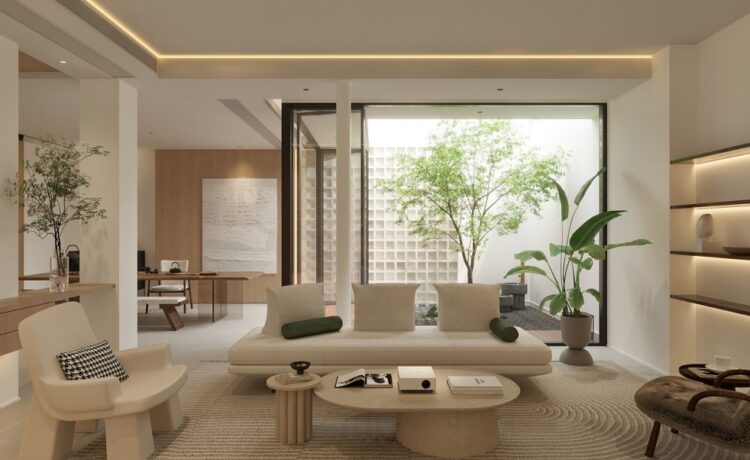
Home is more than four walls and a roof. It is a sanctuary, a foundation of comfort, and a reflection of personal identity. Throughout history, human beings have sought spaces to call their own, but the concept of home goes far beyond shelter. It is tied to belonging, stability, and the essence of family and community.
Whether you live in a small apartment, a countryside cottage, or a modern townhouse, the idea of home carries emotional weight. It shapes lifestyles, nurtures well-being, and influences personal growth.
The Emotional Connection to Home
Home provides emotional security. It is where people feel most comfortable to express themselves without fear of judgment. Familiar scents, cherished belongings, and shared memories all contribute to this sense of comfort.
-
Identity: A home reflects personality and preferences, from interior design choices to the objects displayed.
-
Memories: From first steps to family celebrations, home becomes the setting for life’s milestones.
-
Belonging: Home ties people to their community, neighbourhood, and sometimes even cultural traditions.
Home as a Place of Stability
Stability is one of the most significant roles of a home. In uncertain times, returning to a safe and familiar space provides reassurance.
Shelter and Security
At its most basic, home offers protection from external elements and threats. But beyond physical safety, it also provides emotional and psychological reassurance.
Financial Anchor
For many, a home represents financial stability. Owning property is often seen as a long-term investment and a means of building wealth.
Routine and Structure
Daily rituals, such as family dinners or bedtime routines, are anchored around the home, creating order and predictability in life.
The Role of Design and Comfort
The design of a home has a direct impact on mood, productivity, and quality of life.
Interior Design as Expression
The way a space is arranged reflects individual style and creates an atmosphere that influences emotions. Soft lighting, cosy furniture, and personal touches contribute to a welcoming environment.
Functionality
A functional home caters to the needs of its occupants. Storage solutions, open spaces, and practical layouts make day-to-day living smoother.
Comfort and Well-being
Homes designed with natural light, good ventilation, and calming colour palettes promote physical health and mental clarity.
Home and Relationships
A home strengthens connections between people. It is often where bonds are nurtured and traditions are kept alive.
-
Family Time: Shared meals, game nights, and celebrations create lasting memories.
-
Hospitality: A welcoming home invites friends and relatives, reinforcing social ties.
-
Privacy: It also provides spaces for solitude, allowing individuals to recharge.
The Modern Concept of Home
In today’s fast-changing world, the meaning of home continues to evolve.
Remote Work and Home Offices
With the rise of remote work, homes are now multifunctional. Living rooms double as workspaces, and kitchens may serve as creative hubs.
Sustainable Living
Eco-friendly homes are gaining importance. From energy-efficient appliances to solar panels, sustainability has become part of modern housing.
Minimalism and Simplicity
A growing number of people are embracing minimalist lifestyles, focusing on functionality and reducing clutter for peace of mind.
The Psychological Impact of Home
Research shows that the state of a home directly affects mental health. A cluttered environment may increase stress, while a clean and organised space promotes relaxation and productivity.
-
Colour Psychology: Warm colours can make a home feel inviting, while cool tones promote calmness.
-
Personal Spaces: Having designated spaces for relaxation, hobbies, or work improves focus and happiness.
-
Sense of Control: Designing and maintaining one’s home creates a feeling of empowerment.
Home Across Cultures
Different cultures interpret home in unique ways, but the underlying values often overlap.
-
In many Asian cultures, home is strongly tied to family honour and tradition.
-
In European contexts, homes often blend historical architecture with modern functionality.
-
Across African communities, home is not just the physical dwelling but the entire neighbourhood or village.
Creating a Sense of Home Anywhere
Even temporary residences can feel like home with a few thoughtful touches.
-
Personal Items: Photographs, artwork, and souvenirs bring familiarity.
-
Routines: Daily habits create a rhythm that fosters belonging.
-
Community Engagement: Connecting with neighbours builds a sense of local identity.
The Future of Home
As technology and lifestyles evolve, so too will the concept of home.
-
Smart Homes: Devices that automate lighting, security, and heating bring convenience.
-
Flexible Living Spaces: Modular homes and adaptable designs cater to changing needs.
-
Global Mobility: For those who travel frequently, digital connections help maintain a sense of home wherever they are.
Frequently Asked Questions
What makes a house feel like a home?
A house becomes a home when it provides comfort, safety, and personal identity. Personal touches, family bonds, and emotional connections transform a building into a meaningful space.
How does interior design affect the feeling of home?
Interior design influences mood and well-being. The use of colours, furniture arrangement, lighting, and textures creates an atmosphere that either enhances or disrupts comfort.
Can a rental property feel like home?
Yes, renters can create a homey atmosphere by adding personal decorations, establishing routines, and engaging with their local community, even if the space is temporary.
Why do people feel homesick?
Homesickness occurs because of the emotional attachment tied to familiar environments, routines, and relationships found at home. Being away disrupts these connections, creating a sense of longing.
How can I make my home more sustainable?
Simple changes like switching to energy-efficient bulbs, reducing waste, and investing in renewable energy sources can make your home more eco-friendly.
