
Artificial Intelligence (AI) is no longer a futuristic concept in the automotive world—it is already reshaping how vehicles are designed, built, sold, and driven. From smarter manufacturing plants to safer, more personalized driving experiences, AI is becoming the backbone of modern mobility. As data, connectivity, and computing power grow, the automotive industry is leveraging AI to solve long-standing challenges and unlock entirely new possibilities.
AI in Vehicle Design and Manufacturing
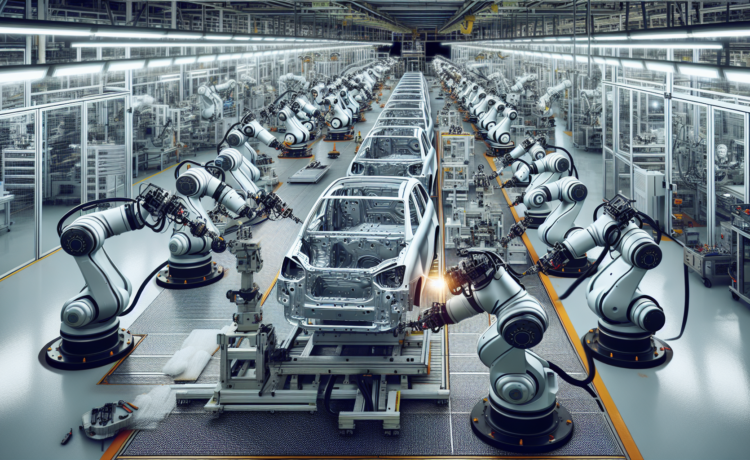
AI has significantly changed how vehicles are engineered and produced. Instead of relying solely on traditional trial-and-error methods, manufacturers now use intelligent systems to optimize every stage of development.
Key transformations include:
- Generative design, where AI evaluates thousands of design variations to find the most efficient structures.
- Robotics and automation that adapt in real time, improving precision and reducing production errors.
- Quality control systems powered by computer vision that detect defects faster than human inspectors.
These innovations lead to lower production costs, reduced waste, and higher-quality vehicles reaching the market faster.
Autonomous and Assisted Driving Technologies
One of the most visible impacts of AI in the automotive sector is in autonomous and driver-assistance systems. AI enables vehicles to perceive their surroundings, make decisions, and react in milliseconds.
AI-driven capabilities include:
- Lane-keeping assistance and adaptive cruise control
- Automatic emergency braking and collision avoidance
- Traffic sign recognition and driver monitoring
While fully autonomous vehicles are still evolving, AI-powered assistance systems are already making roads safer by reducing human error, which remains the leading cause of accidents.
Predictive Maintenance and Vehicle Health Monitoring
AI has transformed vehicle maintenance from reactive to predictive. By analyzing sensor data, driving behavior, and historical performance, AI systems can anticipate mechanical issues before they become serious problems.
Benefits of predictive maintenance:
- Fewer unexpected breakdowns
- Lower repair and servicing costs
- Extended vehicle lifespan
For fleet operators, this translates into higher uptime and more efficient asset management, while individual drivers enjoy greater peace of mind.
Enhanced In-Car Experience Through AI
Modern vehicles are becoming intelligent digital environments. AI personalizes the driving experience by learning user preferences and adapting in real time.
Examples of AI-enhanced features include:
- Voice-controlled virtual assistants
- Personalized infotainment recommendations
- Smart climate and seating adjustments
These systems improve comfort and convenience while minimizing distractions, allowing drivers to focus more on the road.
AI in Connected and Smart Mobility Ecosystems
AI plays a crucial role in connected vehicle technology, where cars communicate with other vehicles, infrastructure, and cloud platforms.
This enables:
- Real-time traffic prediction and route optimization
- Smarter navigation with dynamic updates
- Improved energy efficiency in electric and hybrid vehicles
In the broader mobility ecosystem, AI supports ride-sharing platforms, smart traffic management, and urban planning initiatives.
Sustainability and Environmental Impact
AI is also helping the automotive industry meet sustainability goals. Intelligent systems optimize fuel consumption, battery usage, and manufacturing efficiency.
Sustainability-driven AI applications include:
- Energy management in electric vehicles
- Reduced emissions through optimized driving patterns
- Smarter supply chains that minimize waste and resource use
These advancements contribute to a cleaner, more efficient transportation system.
Challenges and Ethical Considerations
Despite its advantages, AI adoption in the automotive industry raises important concerns. Data privacy, cybersecurity, and algorithmic bias must be carefully managed to ensure trust and safety.
Manufacturers and regulators are increasingly focused on creating transparent, secure, and ethically responsible AI systems that protect users while encouraging innovation.
The Road Ahead for AI in Automotive
AI will continue to redefine mobility as technologies mature and regulations evolve. Future vehicles are expected to be more autonomous, more connected, and deeply integrated with smart cities.
The automotive industry’s ability to harness AI responsibly will determine how quickly these innovations translate into safer roads, cleaner environments, and better driving experiences.
Frequently Asked Questions (FAQs)
1. How does AI improve road safety?
AI reduces accidents by enabling faster decision-making through driver-assistance systems that detect hazards, monitor driver behavior, and react instantly to dangerous situations.
2. Is AI only used in self-driving cars?
No, AI is widely used in manufacturing, predictive maintenance, infotainment systems, navigation, and vehicle personalization—even in non-autonomous cars.
3. Can AI help reduce vehicle maintenance costs?
Yes, predictive maintenance powered by AI identifies issues early, preventing costly repairs and reducing unexpected breakdowns.
4. How does AI enhance the driving experience?
AI personalizes settings such as entertainment, climate control, and navigation while enabling voice commands and intelligent assistance for a smoother experience.
5. What role does AI play in electric vehicles?
AI optimizes battery management, energy consumption, charging efficiency, and route planning to maximize driving range and battery lifespan.
6. Are there privacy risks associated with AI in cars?
Yes, since AI relies on data collection, manufacturers must implement strong cybersecurity and data protection measures to safeguard user privacy.
7. Will AI completely replace human drivers in the future?
While AI will continue to advance autonomous driving, widespread full autonomy will take time due to technical, ethical, and regulatory challenges.
