
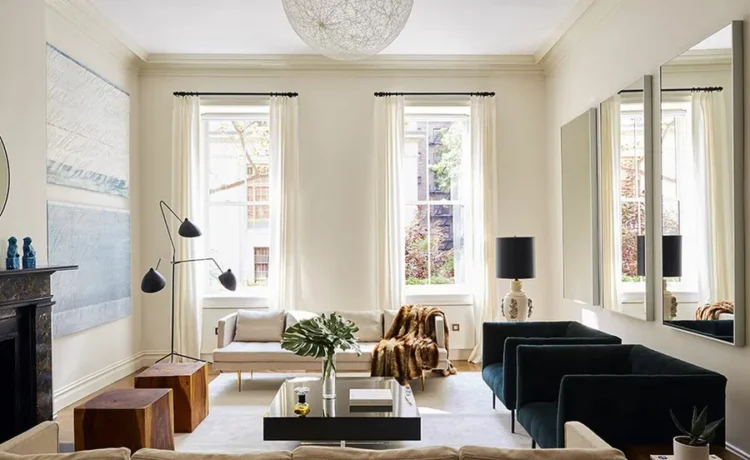
Living in a small space doesn’t mean sacrificing comfort or style. With the right design choices, even the most compact rooms can feel open, functional, and inviting. Making small spaces feel bigger is less about square footage and more about smart visual tricks, thoughtful layouts, and intentional design decisions.
Use Light Colors to Open Up the Space
Color has a powerful impact on how a room feels. Light, neutral tones reflect more light, making spaces appear larger and airier.
Effective color choices include:
- Whites, creams, and soft beiges
- Light grays and warm neutrals
- Pale blues or muted pastels
Keeping walls, ceilings, and trim within a similar color family reduces visual breaks and creates a seamless look.
Maximize Natural and Artificial Light
Lighting can dramatically change the perception of space. Dark rooms tend to feel smaller and more confined.
Ways to enhance lighting include:
- Using sheer curtains instead of heavy drapes
- Placing lamps in darker corners
- Layering ambient, task, and accent lighting
Well-lit rooms naturally feel more open and comfortable.
Choose Furniture With the Right Scale
Oversized furniture can overwhelm a small room. Selecting pieces that fit the scale of the space helps maintain balance.
Smart furniture choices include:
- Slim-profile sofas and chairs
- Furniture with exposed legs
- Multi-functional pieces like storage ottomans or foldable tables
These options reduce visual clutter and improve flow.
Declutter and Embrace Minimalism
Clutter is one of the fastest ways to make a space feel cramped. A clean, organized environment instantly feels larger.
Minimalist habits that help include:
- Keeping only essential items visible
- Using closed storage to hide clutter
- Choosing quality over quantity in décor
Less visual noise allows the room to breathe.
Use Mirrors to Create Depth
Mirrors reflect light and create the illusion of depth, making rooms feel significantly larger.
Effective mirror placement ideas include:
- Opposite windows to reflect natural light
- Behind light sources to amplify brightness
- Large mirrors instead of multiple small ones
Strategic placement makes spaces feel more expansive without renovations.
Optimize Vertical Space
When floor space is limited, vertical space becomes valuable real estate.
Vertical design strategies include:
- Tall shelving units
- Wall-mounted storage
- Hanging décor that draws the eye upward
This approach makes ceilings appear higher and rooms feel more open.
Create Visual Continuity
Breaking a space into too many visual sections can make it feel smaller. Continuity helps maintain a sense of openness.
Ways to create flow include:
- Using the same flooring throughout connected areas
- Coordinating color palettes across rooms
- Limiting contrasting patterns
A cohesive design encourages the eye to move freely.
Choose Smart Window Treatments
Window coverings can either open up or shrink a space depending on how they’re used.
Best practices include:
- Hanging curtains higher than the window frame
- Extending rods beyond window edges
- Choosing light, flowing fabrics
These techniques visually enlarge windows and increase perceived room height.
Let Function Drive Design
In small spaces, every design decision should serve a purpose. Functional layouts prevent wasted space and improve daily living.
When design supports how a space is actually used, it naturally feels more comfortable and expansive.
Frequently Asked Questions (FAQs)
1. Do dark colors always make a small room feel smaller?
Not always. When used strategically, dark colors can add depth, but lighter tones are generally safer for maximizing openness.
2. Can rugs help make a small space feel bigger?
Yes, using a properly sized rug can define the space and make it feel more cohesive rather than cluttered.
3. Is open shelving good for small rooms?
Open shelving can work if kept organized, but too many visible items may make the space feel busy.
4. How does ceiling height affect room size perception?
Drawing attention upward with vertical elements makes ceilings feel higher and rooms feel larger.
5. Are multi-functional furniture pieces worth it?
Absolutely. They save space and reduce clutter by serving more than one purpose.
6. Should small rooms have less décor?
Yes, fewer well-chosen décor pieces usually create a cleaner, more spacious look.
7. Can layout changes make a noticeable difference?
Even small layout adjustments, like improving traffic flow or repositioning furniture, can significantly impact how spacious a room feels.
